SEO in 2025: The Ultimate Guide to Modern Search Optimization
The landscape of SEO is evolving faster than ever. Gone are the days when keyword stuffing and backlinks alone could guarantee search visibility. Today, SEO is a multi-dimensional strategy that blends user intent, AI-driven optimization, semantic understanding, and content experience.
Whether you’re a beginner or a seasoned marketer, understanding how SEO works today requires insight into not just search engines, but answer engines, AI tools, and generative technologies. This guide will walk you through the modern SEO ecosystem and show you how to stay ahead in 2025 and beyond.
1. What is SEO in 2025?
SEO, or Search Engine Optimization, is the process of optimizing a website or digital content to rank higher on search engines. But today, SEO is no longer just about Google—it’s about Google, AI-driven answer engines, chatbots, and even voice search assistants.
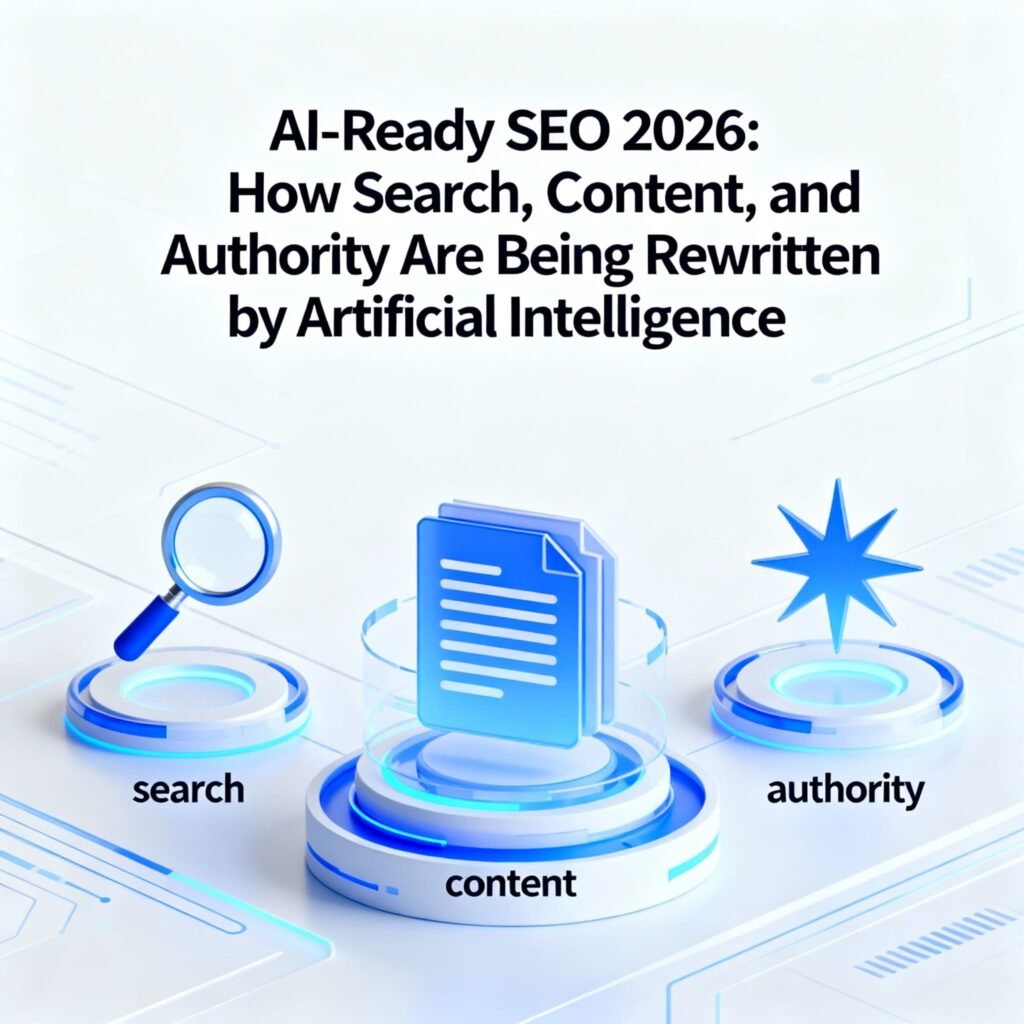
Modern SEO focuses on three pillars:
Search Experience Optimization (SXO): Beyond keywords, SXO prioritizes user engagement, dwell time, and content satisfaction.
Answer Engine Optimization (AEO): Optimizing content to appear as direct answers in search features like Google’s People Also Ask, Knowledge Graph, or AI chat assistants.
AI and Generative SEO (GEO/AIO): Using AI to generate, optimize, and personalize content for search engines and users simultaneously.
Essentially, SEO in 2025 is less about tricking algorithms and more about understanding human intent and using AI as an amplification tool.
2. The Evolution of SEO
Understanding modern SEO starts with understanding how search engines themselves have evolved:
Traditional SEO (Pre-2015): Focused on keywords, meta tags, and backlinks. Content quality was secondary.
Semantic SEO (2015-2020): Google’s Hummingbird and BERT updates prioritized context and intent over exact keywords.
Experience-Driven SEO (2020-2023): Core Web Vitals, mobile-first indexing, and UX-driven metrics began to influence rankings.
AI-Driven SEO (2024-2025): LLMs, AI assistants, and answer engines redefine how content is discovered and consumed.
The biggest shift is that content now competes with AI-powered answers, not just other websites. Optimizing for this requires a future-forward SEO strategy.
3. Core Components of Modern SEO
Here’s what truly matters in SEO today:
a. User Intent and Experience
Search engines aim to satisfy the user’s query. Every SEO strategy now starts with understanding why someone is searching, not just what they are searching.
Types of intent:
Informational → How-to guides, blogs, tutorials
Navigational → Brand or product searches
Transactional → Purchase-ready queries
Optimizing for intent:
Use structured content (headings, tables, lists)
Answer queries in a clear, concise manner
Implement UX improvements (fast load time, mobile-first design)
b. Semantic Search & Context
Keywords alone no longer suffice. Search engines now rely on semantic understanding, which means your content must address related concepts, entities, and questions.
Use LSI (Latent Semantic Indexing) keywords
Cover topic clusters instead of isolated keywords
Integrate rich media (images, videos, infographics) to provide context
Semantic SEO is future-proof, ensuring your content remains relevant as algorithms evolve.
c. Technical SEO
Technical SEO remains the foundation. Without proper indexing, structured data, or website speed, even the best content may never rank. Key elements include:
Core Web Vitals & Page Experience – Load speed, interactivity, visual stability
Mobile-first Design – Most searches happen on mobile
Structured Data & Schema Markup – Boosts visibility in rich results, Knowledge Graph, and answer boxes
Crawlability & Indexing – Ensure AI and search engines can read your content
d. Answer Engine Optimization (AEO)
Answer Engine Optimization is the new frontier of SEO. Instead of competing for blue links, content now competes for featured snippets, voice assistant answers, and chat-based responses.
Optimize for FAQ-style content
Use concise, factual answers
Implement schema for Q&A and FAQ
Monitor voice search patterns (Google Assistant, Siri, Alexa)
This is particularly critical for businesses looking to dominate local search and voice queries.
e. Generative SEO / AI-Optimized Content
With AI content tools and LLMs, SEO is entering a generative era. AI can:
Generate topic ideas based on SERP gaps
Draft content optimized for keywords, intent, and user engagement
Analyze competitor content for semantic coverage
Suggest structured data and schema implementation
However, AI is amplification, not replacement. Human oversight ensures credibility, nuance, and brand voice remain intact.
4. The Role of AIO (AI Optimization)
AI Optimization goes beyond content creation. It encompasses data-driven SEO decisions, such as:
Predicting trending topics and search queries
Identifying user behavior patterns for content strategy
Personalizing landing pages dynamically for better conversions
Monitoring algorithm shifts in real-time
Businesses adopting AIO gain a first-mover advantage in search visibility and user engagement.
Modern SEO Strategy
Here’s a practical roadmap for modern SEO success:
Audit Existing Website & Content
Technical SEO check
Content gaps and SERP performance
Keyword Research 2.0
Use intent-driven keywords
Incorporate semantic variations and questions
Content Strategy
Create pillar pages and topic clusters
Optimize for AEO (snippets, FAQs, voice)
Leverage AI tools for drafts and insights
On-Page SEO
Structured headings, meta tags, schema
Multimedia integration
Technical & UX Optimization
Mobile-first, fast-loading, secure (HTTPS)
Core Web Vitals improvement
Link & Authority Building
High-quality backlinks
Internal linking for topic clusters
Monitor, Analyze, Optimize
Use Google Analytics, Search Console, AI-driven SEO tools
Adjust strategy based on SERP performance and engagement
6. SEO Metrics That Matter in 2025
Traditional metrics like keyword rank are no longer sufficient. Key metrics now include:
Click-Through Rate (CTR) → From SERPs and answer boxes
Dwell Time / Engagement Metrics → Signals relevance and satisfaction
Featured Snippets / Voice Answers → Visibility in AI-driven search
Conversion Rate from Search Traffic → True ROI of SEO
Content Coverage & Semantic Authority → How well your content satisfies intent
7. Local & Global SEO Trends
Local SEO 2025
Hyper-personalized, proximity-based queries
Voice search & mobile-first indexing
Google Business Profile optimization & AEO
Global SEO
Multilingual content & AI translation
International search engines optimization (Bing, Baidu, DuckDuckGo)
Structured data for multi-regional knowledge graph features
8. Future-Proofing Your SEO
The next decade of SEO will revolve around:
AI-generated content & AI-assisted content audits
Voice and conversational search optimization
Video SEO and multimedia answers
Predictive SEO using machine learning
Ethical SEO practices and E-A-T (Expertise, Authoritativeness, Trustworthiness)
Businesses that adopt AI, semantic understanding, and intent-driven strategies now will dominate SERPs in 2025 and beyond.
9. Key Takeaways
SEO is evolving from a ranking game to an intelligence-driven content strategy, one that understands humans, communicates clearly, and leverages AI for both reach and impact.
- SEO is no longer just keywords—it’s intent, experience, and AI optimization.
Modern search is dominated by Answer Engines and AI-powered assistants.
Semantic and generative content strategies are essential for visibility.
Technical SEO, structured data, and UX remain the backbone.
Future-proof SEO blends human insight, AI amplification, and predictive analytics.