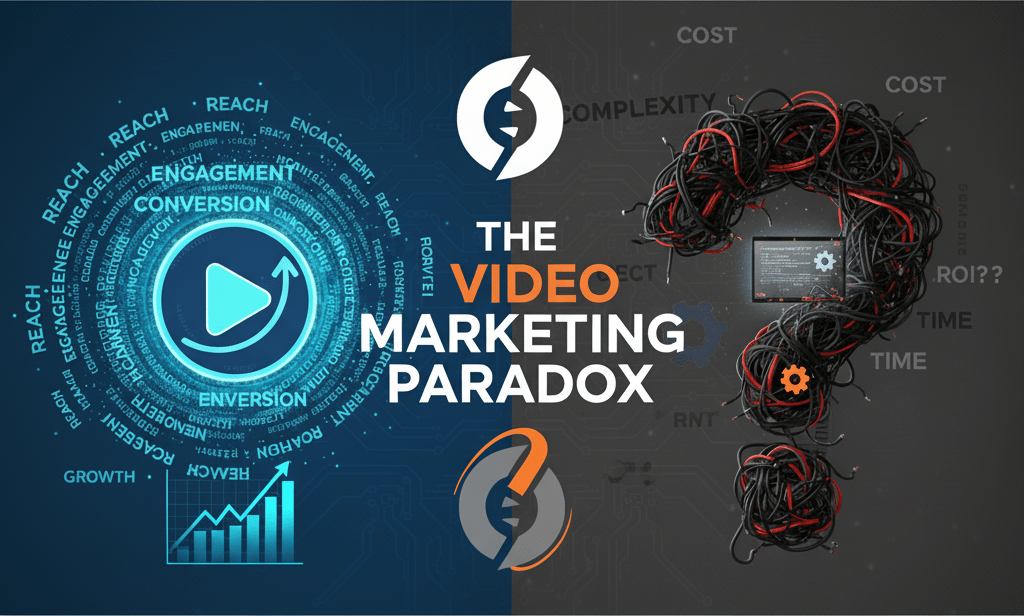
In 2025, asking whether short-form or long-form video is better is almost like asking whether a car should have wheels or an engine. Both are essential, it’s the integration that creates movement. I’ve been watching video marketing evolve for over a decade, and the patterns are clear: brands that treat short and long video as complementary, not competing, are the ones capturing attention, loyalty, and ultimately revenue.
Why the Short vs. Long Debate Misses the Point
Short-form video gets all the hype these days, and for good reason. TikTok, Instagram Reels, and YouTube Shorts dominate attention, especially among younger audiences. In a sea of endless scrolling, short videos hook people instantly, often in under a minute. They’re punchy, memorable, and shareable.
But here’s the catch: short videos are excellent for grabbing attention, not necessarily for nurturing trust or explaining complex ideas. That’s where long-form video shines. Think YouTube tutorials, deep-dive explainers, product walkthroughs, and webinars. These formats give you the time and space to tell a story, educate, and demonstrate authority.
The key insight I’ve learned is this: short-form videos bring people to the table, and long-form keeps them there. Ignoring either is like serving a gourmet meal without appetizers or dessert, the experience feels incomplete.
How Audience Behavior Shapes Video Strategy
One of the most fascinating shifts in 2025 is the way audiences discover, consume, and interact with video content. People no longer follow a linear path. A potential customer might first encounter a 30-second Reel on Instagram, then click through to a 12-minute YouTube video, and finally land on your website for a full 30-minute webinar. Each touchpoint serves a different purpose: hook, educate, convert.
From my experience, successful campaigns now treat video as a journey rather than a single asset. Short clips generate curiosity and awareness, long-form content builds trust and depth, and modular content, like repurposed segments or highlights, reinforces memory and drives action.
This approach aligns with AI-driven insights as well. Platforms increasingly measure engagement quality over raw views. Retention curves, micro-interactions, and completion rates are more valuable than likes or shares alone. In other words, how long someone watches, and what they do next, matters far more than a vanity metric.
The Rise of AI-Enhanced Video Marketing
We’re entering a new era where AI doesn’t just help edit videos faster, it transforms the very way content is created, personalized, and distributed. From generative scripts and AI voiceovers to predictive engagement analytics, the tools available today allow marketers to optimize both short and long video at scale.
For example:
Personalized video snippets: Imagine sending 30-second clips tailored to a user’s behavior, demographics, or past engagement. AI can automatically select the most relevant moments from your long-form video to create dozens of personalized micro-content pieces.
Smart sequencing: AI can recommend which short videos to show before or after a long video to maximize retention and conversion.
Predictive editing: By analyzing engagement trends across platforms, AI can suggest the ideal cut points, captions, or call-to-actions for maximum impact.
The implication? In 2025, your content strategy must consider AI as a co-creator, not just a tool. Brands that ignore this shift risk falling behind competitors who are using AI to automate insights, personalization, and creative optimization.
Mapping Video Formats to the Customer Journey
Instead of a rigid table, I like to think of video formats along a narrative continuum:
Discovery / Awareness: Short-form videos dominate here. These are your hooks, 15-60 second Reels, Shorts, or TikTok videos that pique curiosity and encourage engagement. The goal isn’t to explain everything; it’s to make viewers say, “I want to know more.”
Consideration / Education: Medium to long-form content works best at this stage. A 5-10 minute explainer, product demo, or tutorial provides depth. Viewers now care about context, credibility, and detailed information, things short clips can’t fully convey.
Decision / Conversion: Here, long-form is indispensable. Webinars, detailed demos, case studies, or interactive walkthroughs allow your audience to explore value, compare solutions, and make informed choices.
Retention / Community Building: This is where modular content shines. Break your long videos into short clips, highlight reels, and behind-the-scenes footage to keep your audience engaged, even after conversion.
By thinking in stages rather than formats, you naturally integrate short and long videos into a cohesive strategy that follows your audience’s evolving attention and intent.
Crafting Content That Flows
One mistake I often see brands make is producing long-form content and then slapping it onto social platforms without thought. Short clips derived from long videos rarely perform if they feel disconnected or out of context.
Instead, I recommend shooting modularly from the start. Film your long-form content in chapters, call out standout quotes, and plan micro-clips intentionally. This makes it easier to create a library of short-form content that feels cohesive and intentional, rather than repurposed.
Another tip: sequence your releases strategically. Drop short videos first to hook interest, then follow up with long-form content for those who engage. Track how viewers migrate between formats, and continuously adjust based on retention, click-throughs, and conversion metrics.
Avoiding Common Pitfalls
Even with the best intentions, brands often stumble in a few predictable ways:
Overproducing short-form content: Audiences value authenticity. Ultra-polished Reels may feel staged and fail to resonate.
Underestimating long-form production: Depth demands investment. Poorly structured long videos can erode trust.
Ignoring platform constraints: Reels, Shorts, TikTok, and LinkedIn all have length limits. A long-form video that doesn’t fit your chosen platform is wasted effort.
Neglecting data: Without tracking engagement and behavioral signals, you can’t optimize formats, sequencing, or content length.
By avoiding these pitfalls, you create a system that’s resilient, adaptable, and scalable.
What the Future Holds
Looking ahead, I see three major trends shaping video marketing beyond 2025:
Hyper-personalized experiences: AI-driven tools will allow brands to generate content tailored to individuals, dynamically adjusting video length, messaging, and visuals based on user behavior in real-time.
Interactive and immersive content: AR, VR, and interactive video formats will enable audiences to navigate your content, choose their own path, and engage in ways that feel like participation rather than passive consumption.
Shoppable video ubiquity: Video will increasingly become a transactional medium. Embedded buy buttons, interactive overlays, and personalized product recommendations will collapse the line between content and commerce.
In this landscape, short and long video are no longer competing; they are partners in a unified content ecosystem, each amplifying the other’s impact.
My Key Takeaways
From my perspective, brands that succeed in 2025 and beyond will:
Think in continuums, not binaries — short and long videos serve different but complementary purposes.
Leverage AI as a creative partner, not just a tool.
Plan content modularly, allowing for flexible repurposing and sequencing.
Measure engagement quality, not vanity metrics, to optimize format, placement, and sequencing.
Build for platform-specific realities while keeping the overarching story intact.
The future of video marketing isn’t short vs. long — it’s smart, adaptive, and audience-centric. Short videos will bring them in; long videos will make them stay. And when done right, your video strategy becomes an engine for attention, trust, and revenue.
Ready to Master Video Marketing in 2025?
If you want to craft a video strategy that seamlessly blends short and long content, leverages AI for insights, and drives measurable growth, reach out. Together, we can build a plan that captures attention today and loyalty tomorrow.
Get your free consultation and start turning video into revenue.